Top Benefits of Using Pilates Beds for Your Fitness Routine?
Pilates Beds have gained popularity in recent years for their unique benefits in enhancing fitness routines. These specialized pieces of equipment offer more than just a workout surface; they promote flexibility, strength, and body awareness. Many fitness enthusiasts appreciate how Pilates Beds help target specific muscle groups, allowing for a more focused and effective workout.
Incorporating Pilates Beds into your routine introduces variety and can improve your overall fitness experience. They create low-impact environments, making exercises safer for joints and ideal for rehabilitation. However, beginners may find the transition to using these beds challenging. It's essential to learn proper techniques to maximize benefits while minimizing injuries. The learning curve can be frustrating, yet it also encourages personal growth and resilience.
While Pilates Beds have their advantages, users should remember to approach them with realistic expectations. They are wonderful tools but not magic solutions. Commitment and consistency are key to seeing results. Reflecting on one's progress is crucial, as it fosters a deeper understanding of personal fitness journeys. Embracing the challenges of Pilates Beds could lead to significant improvements in strength, control, and overall well-being.
Understanding Pilates Beds and Their Functionality
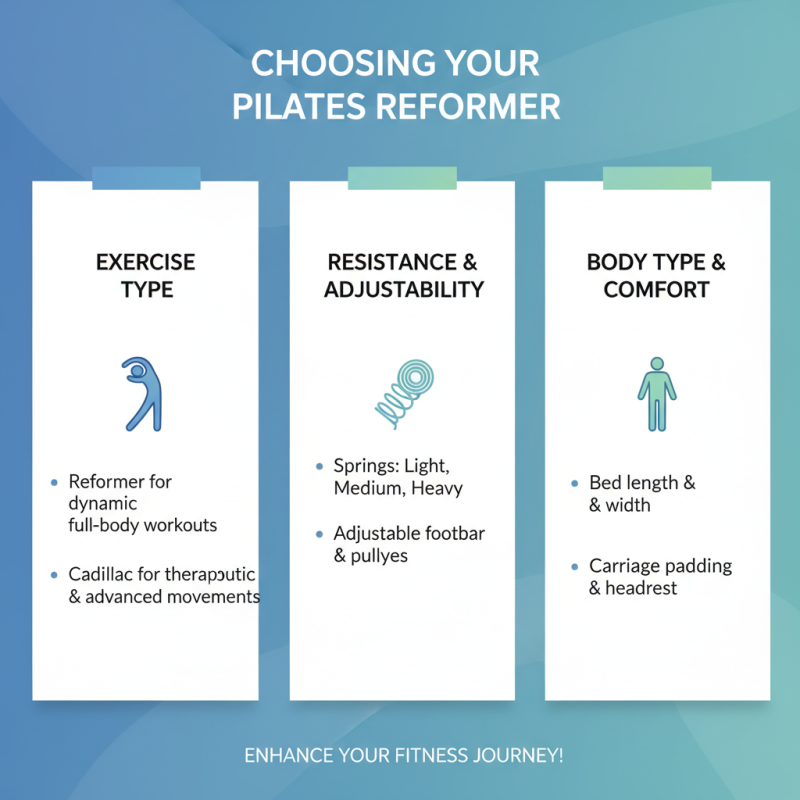
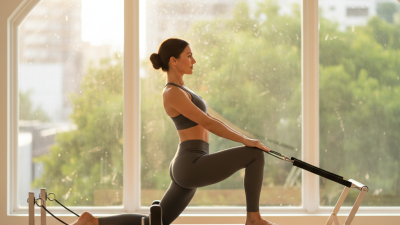
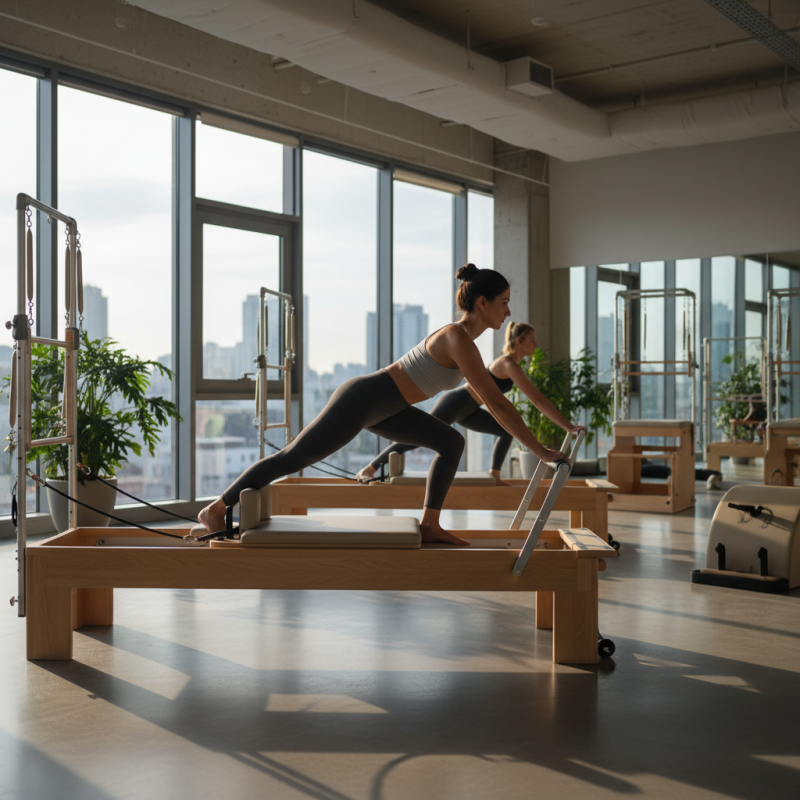
Pilates beds, also known as reformers, are versatile pieces of equipment designed to enhance your fitness routine. They come with adjustable springs and a sliding carriage to facilitate various exercises. By using body weight and resistance, Pilates beds allow for dynamic movement. This unique functionality helps improve flexibility, strength, and balance.
When first using a Pilates bed, it may feel awkward. It’s essential to familiarize yourself with the different settings. Experiment with spring resistance to find what works best for you. Start slow, and don’t rush your progress. Mastering basic movements is crucial before advancing to more complex exercises.
Tip: Always focus on your breath during Pilates sessions. Proper breathing enhances core engagement and helps you maintain control.
Incorporating Pilates beds into your routine can yield impressive results, but it requires practice. Some users may feel frustrated initially. If certain exercises seem difficult, try modifying them. It's common to encounter challenges learning new techniques. Adapting to the equipment will take time, so be patient and keep reflecting on your progress.
The Role of Pilates Beds in Enhancing Flexibility and Strength
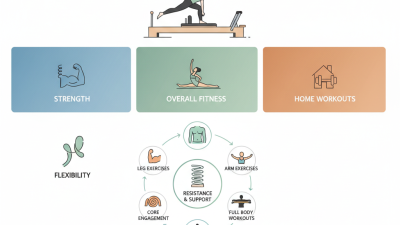
Pilates beds play a vital role in enhancing flexibility and strength for fitness enthusiasts. These versatile machines allow for a variety of exercises that engage multiple muscle groups. By adjusting the resistance, individuals can customize their workouts to suit their fitness levels. This adaptability makes Pilates beds suitable for both beginners and seasoned practitioners.
Using a Pilates bed can significantly enhance your flexibility. The interactive nature of the bed allows for controlled movements that stretch muscles deeply. As you progress, you may notice improvements in your range of motion. However, it is important to focus on your body’s limits. Overexertion can lead to strain rather than strength.
Strength building is another key aspect of Pilates. The resistance springs offer a unique challenge, engaging your core and improving overall muscle tone. Each session can foster muscle awareness, enhancing your control over movements. It’s crucial to practice correctly to avoid injuries. Reflecting on your form can lead to better results and reduce the risk of setbacks during your journey.
Improving Posture and Alignment Through Pilates Beds
Pilates beds, also known as reformers, offer unique benefits that enhance posture and alignment. A report from the International Journal of Physical Therapy states that practicing Pilates can lead to a 30% improvement in core strength. A stronger core helps maintain spinal alignment, which is essential for good posture. Poor posture often leads to muscle imbalances and discomfort. By regularly using Pilates beds, you can address these issues effectively.
The springs and pulleys of a Pilates bed provide adjustable resistance. This allows for precise movements that target specific muscle groups. Research shows that consistent Pilates practice can decrease back pain in up to 60% of participants. It emphasizes controlled movements, ensuring you engage the right muscles while maintaining proper alignment. This practice can refine your body awareness, leading to better day-to-day posture.
Tips: Focus on your alignment while using the reformer. Engage your core throughout every exercise. Start slowly and pay attention to your body's feedback. Remember, it’s okay to adjust your routine based on how you feel. Reflect on your progress to make better adjustments in your practice.
How Pilates Beds Aid in Injury Rehabilitation and Prevention
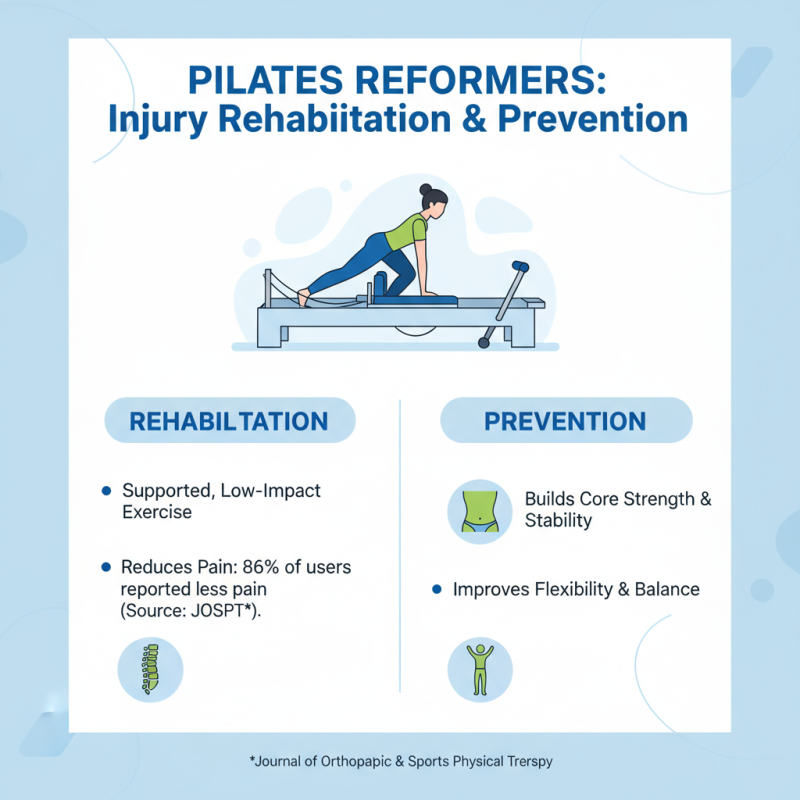
Pilates beds, also known as reformers, offer significant benefits in injury rehabilitation and prevention. These unique apparatuses provide support and resistance, essential for those recovering from injuries. A study published in the Journal of Orthopedic & Sports Physical Therapy found that 86% of participants reported reduced pain after reformer-based rehabilitation. This highlights the effectiveness of Pilates beds in facilitating recovery.
Using a Pilates bed allows for controlled movements. This control is critical when rehabbing injuries. For example, individuals can perform gentle stretching and strengthening exercises without putting unnecessary stress on their bodies. Research from the American Physical Therapy Association indicates that Pilates can improve balance and coordination, vital for those recovering from musculoskeletal injuries. Engaging in routine practice can enhance muscular control and stabilize joints.
Additionally, Pilates beds support a wide range of motion. They enable users to engage core muscles effectively, which is crucial in injury prevention. Enhanced core strength leads to better overall body alignment and decreases the risk of future injuries. However, not everyone may find immediate benefits. Some might struggle with the initial adjustment to Pilates equipment. Patience and consistent practice are essential for progress in both rehabilitation and prevention efforts.



 1Durch die gruppenweite Einführung und Harmonisierung unseres integrierten Managementsystems (IMS) werden alle bestehenden Unternehmens-, Qualitäts-, Umwelt- und Energiepolitiken durch diese Unternehmenspolitik ersetzt. Der Slogan „Textil hat Zukunft – auch in De