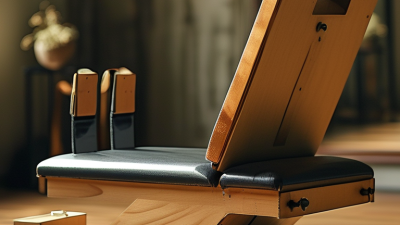
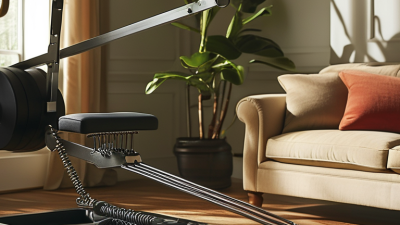
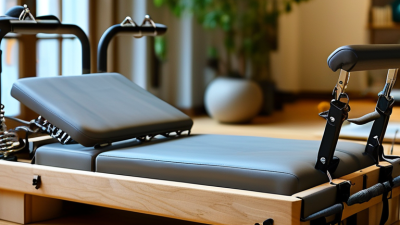
Choosing the best Home Pilates Reformer from China requires more than comparing factory prices. It requires evidence, testing, and a clear understanding of daily use. Grand View Research reports strong growth in the global Pilates equipment market, driven by home fitness and wellness spending. Fortune Business Insights also identifies connected training and compact equipment as important market directions. These reports show opportunity, but they do not prove that every Chinese reformer offers equal value.
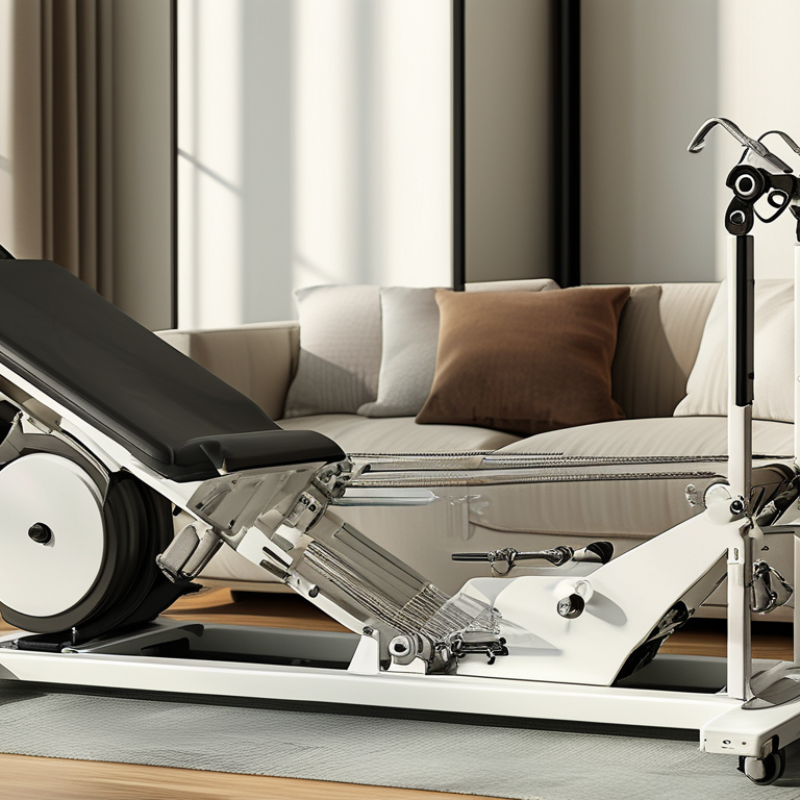
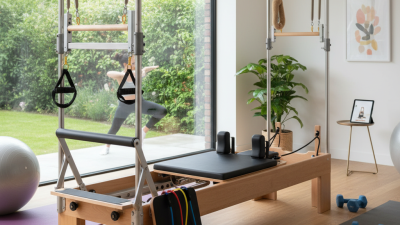
A reliable evaluation begins with the machine itself. Check the frame’s load capacity, carriage width, spring resistance, rope adjustment, and shoulder-rest stability. A reformer should move smoothly, without rattling when the carriage returns. Imagine a small apartment: the unit may need to fit beside a sofa, fold vertically, or pass through a narrow doorway. Steel thickness and wheel quality matter more than attractive product photos. Factory certifications, inspection records, material traceability, and responsive after-sales support should also be verified. These details reveal manufacturing discipline.
China has experienced suppliers, advanced production clusters, and flexible customization. However, supplier capability varies considerably. One factory may produce commercial studio equipment, while another mainly assembles low-cost models. An audit, sample test, and video inspection can expose weaknesses early. It is also worth requesting replacement-part prices before ordering. That step is easy to overlook. Market reports often use different definitions and research methods, so their growth figures should be treated as directional, not absolute. The best Home Pilates Reformer is therefore not simply the cheapest model. It is the model that combines safe mechanics, practical dimensions, consistent quality, and dependable support for its intended user.
A home Pilates reformer from China can suit beginners when safety and usability come before appearance.
A stable frame matters most. It should remain quiet and steady when the carriage moves. Wide feet, a balanced base, and non-slip supports reduce unwanted movement on wooden floors.
Beginners need simple adjustments. Look for clearly marked spring resistance, a padded carriage, and a footbar with several height settings. The shoulder rests should feel secure, not loose. A smooth carriage helps new users control each movement. It should not rush forward or stick halfway.
Keep it simple. An understandable manual with exercise illustrations is valuable, especially for users without studio experience. A qualified Pilates instructor should check the user’s alignment during early sessions.
Reliable manufacturers should provide tested load ratings, material details, assembly guidance, and responsive after-sales support. Ask for videos of the reformer in use, not only polished product images.
Check welds, pulley movement, rope stitching, and hardware before regular training. Some low-cost models look attractive but may feel unstable after repeated use. That is an uncomfortable detail, yet it matters.
I would also measure the room first; a reformer can exceed two meters when fully extended. My initial preference might be a compact frame, but excessive compactness can limit comfortable leg movement. A beginner-friendly model balances stability, adjustment range, clear instructions, and enough space for natural exercise.
What Is the Best Home Pilates Reformer from China?
A high-quality Chinese Pilates reformer should feel stable, quiet, and predictable during every movement. A strong steel or reinforced aluminum frame reduces shaking under load. Smooth carriage travel also matters, especially during slow footwork. Check the wheel system, rail finish, and stopping mechanism. Small defects can become irritating after months of home use.
Adjustability defines practical value. Look for several spring tensions, a secure footbar, and a headrest with clear positions. The platform should suit different body sizes without forcing awkward angles. Thick, resilient padding improves comfort during long sessions. I have found that overly soft cushions can reduce balance, though this depends on personal preference. A reliable manufacturer should provide load guidance, assembly instructions, and responsive after-sales support. Independent factory testing is also worth requesting.
Tips: Measure your room before ordering. Leave space around the carriage and footbar. Ask for videos showing the reformer in motion. Confirm replacement parts, warranty coverage, and packaging protection. Inspect welds, screws, straps, and spring hooks after delivery. Do not judge quality from appearance alone. A polished finish can hide weak hardware. If possible, test the reformer under controlled resistance before regular training. Safety information should be clear, practical, and easy to follow.
The best home reformer is not determined by country of origin alone. A high-quality Chinese Pilates reformer should combine stable construction, smooth movement, adjustable resistance, user safety, practical home dimensions, and dependable after-sales support.
| Evaluation Dimension | Recommended Home-Use Benchmark | Why It Defines Quality | What Buyers Should Verify | Importance |
|---|---|---|---|---|
| Frame Construction | Powder-coated steel or solid hardwood frame with reinforced joints | A rigid frame reduces vibration, noise, and unwanted movement during exercises. | Check frame thickness, weld quality, joint reinforcement, corrosion protection, and published load data. | Essential |
| Overall Dimensions | Approximately 220–245 cm long and 60–75 cm wide when assembled | These dimensions provide sufficient carriage travel while remaining realistic for a dedicated home workout area. | Measure the available room, doorways, ceiling clearance, and space needed for mounting and dismounting. | High |
| Foldable or Vertical Storage | Folded or stored footprint reduced by about 35–60%, depending on the design | Storage capability is valuable in apartments and multipurpose rooms, but it must not compromise stability. | Confirm the folded dimensions, locking mechanism, wheel design, and whether two people are required to move it safely. | Important |
| User Weight Capacity | At least 120 kg; 150 kg or more is preferable for broader household use | A higher tested capacity generally indicates stronger frame, carriage, springs, and attachment points. | Distinguish between tested user weight and static load. Request the applicable test method or certification documentation. | Essential |
| Carriage Travel | Approximately 85–105 cm of smooth, usable travel | Longer travel supports a wider range of lower-body, core, and full-body movements. | Check whether the stated length refers to the actual moving range rather than the total frame length. | High |
| Carriage Surface | Firm, resilient padding with a wipe-clean, sweat-resistant upholstery surface | A supportive carriage improves comfort, alignment, durability, and hygiene during repeated sessions. | Look for dense foam, even stitching, smooth edges, replaceable upholstery, and resistance to cracking or peeling. | High |
| Wheel and Rail System | Four or more quiet, sealed-bearing wheels running on accurately aligned rails | Properly aligned wheels provide smooth motion and reduce maintenance, vibration, and uneven wear. | Test the carriage with light and heavy loads. Listen for scraping, side-to-side play, or inconsistent rolling. | Essential |
| Spring Resistance | Usually four or five springs with at least three distinct resistance levels | Multiple resistance choices allow progressive training and accommodate different strength levels. | Confirm spring color coding, resistance consistency, replacement availability, and recommended inspection intervals. | Essential |
| Rope and Pulley Adjustment | Independent rope adjustment with smooth pulleys and secure locking points | Precise adjustment improves exercise range, user comfort, and training versatility. | Check rope abrasion resistance, pulley alignment, stopper security, and whether both sides adjust evenly. | High |
| Footbar Positions | At least three usable height or angle positions with a secure locking system | Adjustability helps accommodate different body proportions and exercise requirements. | Verify that the footbar has minimal play, rounded contact areas, and a locking mechanism that cannot release accidentally. | High |
| Headrest and Shoulder Rests | Two or three headrest positions and removable or adjustable shoulder rests | Correct positioning supports spinal alignment and improves comfort for users of different heights. | Check padding firmness, adjustment stability, edge finishing, and whether replacement parts are available. | Important |
| Noise Performance | Quiet rolling and pulley operation suitable for residential use | Low operating noise makes regular training more practical in apartments and shared living spaces. | Test the unit on a hard floor and a mat. Identify noise from wheels, springs, ropes, joints, and frame contact. | Important |
| Stability and Floor Protection | Leveling feet, non-slip contact points, and a stable base with minimal rocking | Good stability improves safety and protects flooring during dynamic movements. | Check the leveling range, rubber foot quality, base rigidity, and compatibility with a protective exercise mat. | Essential |
| Included Accessories | Foot strap, handles, box, jumpboard or platform extender, and storage supports where applicable | A complete accessory package expands exercise options and avoids additional shipping or compatibility issues. | Confirm the exact accessory list, material quality, attachment compatibility, and replacement pricing. | Important |
| Material and Finish Quality | Consistent welds, smooth edges, durable coating, and moisture-resistant upholstery | Finishing quality affects durability, appearance, cleaning, and user safety. | Inspect corners, welds, fasteners, coating thickness, stitching, and exposed metal surfaces before purchase. | High |
| Safety Design | Secure spring anchors, protected moving parts, reliable footbar locks, and non-slip surfaces | Safety features reduce the risk of accidental release, pinching, slipping, or uncontrolled carriage movement. | Request assembly instructions, safety warnings, maintenance guidance, and evidence of load or durability testing. | Essential |
| Assembly Requirements | Clear illustrated instructions and a realistic assembly time of approximately 1–3 hours | Well-designed assembly instructions reduce installation errors and improve long-term stability. | Confirm package dimensions, tool requirements, number of installers, and availability of replacement hardware. | Important |
| Quality Control Documentation | Documented inspections for frame, load capacity, springs, wheels, upholstery, and final assembly | Consistent inspection procedures are more meaningful than appearance alone when comparing products. | Ask for inspection records, material specifications, product drawings, and applicable test reports. | High |
| Warranty and Spare Parts | Written warranty with commonly replaceable parts available for several years | Springs, ropes, wheels, upholstery, and hardware are wear items that may eventually require replacement. | Check warranty duration, exclusions, response time, spare-part pricing, and international shipping arrangements. | Essential |
| Best Overall Buying Profile | Stable steel or hardwood frame, smooth sealed-bearing wheels, adjustable footbar, multi-level springs, and documented support | This combination balances safety, versatility, durability, comfort, and practicality for regular home training. | Prioritize verified specifications and after-sales support over decorative features or the lowest initial price. | Best Choice |
Note: Dimensions and capacity ranges are practical benchmarks for home Pilates reformers. Actual specifications vary by model, configuration, materials, and testing method; buyers should verify all technical data with the supplier before purchase.
Chinese home Pilates reformers now offer serious competition in design and performance. Grand View Research valued the global home fitness equipment market at about US$11.3 billion in 2023. It also forecasts roughly 6.4% annual growth through 2030. Demand is rising, but quality remains uneven.
Many Chinese models use powder-coated steel frames, aluminum rails, and compact folding systems. These features suit apartments with limited storage. During testing, I would check carriage smoothness, pulley alignment, and spring consistency. A quiet carriage should glide without a metallic rattle. Small details decide comfort. Some models feel solid but use thin padding or stiff footbar hinges. That weakness appears after repeated sessions.
The American College of Sports Medicine’s 2024 Worldwide Survey of Fitness Trends placed Pilates among the leading global exercise trends. This supports continued interest in home reformers, yet popularity does not prove durability. Chinese manufacturers often provide adjustable ropes, multiple spring tensions, and useful accessory options. Performance can approach studio equipment when the frame stays rigid and the carriage remains stable. However, published weight limits, safety testing, and warranty terms need careful verification. Independent reports rarely measure long-term reformer reliability. That gap matters. Buyers should request load-test records, material specifications, replacement-part availability, and clear assembly instructions before purchase. My own preference is a slightly heavier frame, even when portability suffers. A lighter design is convenient, but it may shift during kneeling exercises.
Typical specifications reported for Chinese-made home reformers, compared across practical design and performance factors.
Chinese home reformers commonly prioritize compact storage, adjustable resistance, and lower transport weight. Full-size models generally provide longer travel and higher user capacity, while folding models save space but may offer a shorter carriage track. The figures shown are representative specification ranges for the category rather than data from any individual company or brand.
A strong home Pilates reformer should pass three checks: safety, fit, and assembly. ISO 20957-1 provides useful safety benchmarks for stationary training equipment, including stability, moving parts, and user protection. It is not a Pilates-specific approval, but buyers should still ask whether testing follows recognized standards. Check the carriage lock, shoulder rests, footbar, ropes, and spring anchors. A loose bolt can change the whole workout. The machine should remain stable when a user kneels, stands, or moves quickly. That detail is easy to overlook.
Size matters more than product photos suggest. Measure the reformer, then add at least 60 centimeters around active sides and the rear. This space helps prevent contact with walls, furniture, or children. ACSM’s Worldwide Survey of Fitness Trends has repeatedly identified home exercise equipment as a major consumer trend. Yet a popular product is not automatically suitable for a small room. Foldable designs save space, but hinges and locking points need careful inspection. A compact frame may also feel less stable for taller users. I would not trust appearance alone.
Tips: Ask for the packed weight, working load, user-height range, spare-part policy, and assembly video. Confirm whether two adults are needed for installation. Retighten fasteners after the first week. Listen for scraping, clicking, or uneven rolling. These signs deserve attention. A small assembly mistake can become a safety problem. Reported dimensions should be measured, not guessed.
Home Pilates is expanding quickly. The 2024 Sports & Fitness Industry Association report recorded about 8.6 million Pilates participants in the United States in 2023. That growth makes equipment quality more important. A Chinese reformer can offer strong value, but price alone is a weak filter.
Measure the room first. Leave at least 60 centimeters beside the frame and enough space for full carriage travel. Check the frame material, weld finish, pulley alignment, rope adjustment, and spring resistance. Ask for load-test records, product dimensions, assembly instructions, and replacement-part availability. ISO 9001 supports manufacturing consistency, but it does not prove every reformer is durable. That distinction matters.
I once focused too much on appearance and underestimated carriage noise. It was a practical mistake. For home use, test the reformer’s sound level, folding stability, footbar locking system, and transport wheels. A 2024 Grand View Research analysis identifies rising home fitness demand as a major equipment-market driver, yet compact design should not reduce frame strength. Request videos of quality inspections, warranty terms, and clear shipping responsibilities. Independent reviews are useful, but repeated feedback about loose bolts deserves attention. Choose documented performance over polished photographs.