Leave Your Message

What Is the Best Pilates Bed to Buy from China?

Choosing the best Pilates Bed from China requires more than comparing factory prices. A reliable decision combines construction quality, user safety, comfort, shipping, and long-term support. China offers many manufacturers, but product quality varies sharply between workshops. Some beds look impressive in photographs, yet feel unstable during movement. Others use attractive upholstery but weak springs or inaccurate dimensions.

Joseph Pilates, the founder of the Pilates method, said, “Physical fitness is the first requisite of happiness.” His principle remains useful when evaluating equipment. A Pilates Bed should support controlled movement, not merely imitate a professional studio model. Look closely at the frame, carriage, spring system, shoulder rests, footbar, and padding. Check whether the materials withstand repeated use. Ask for load testing, production photos, technical drawings, and a complete specification sheet. A sample inspection can reveal uneven stitching, noisy rollers, poor finishing, or uncomfortable foam.

The lowest quotation may not be the best value. Import duties, packaging, delivery damage, replacement parts, and communication delays can change the final cost. A dependable supplier should explain tolerances, warranty coverage, spare-part availability, and quality-control procedures clearly. It should also provide consistent answers across sales and production teams. Be careful with vague certifications. Verify documents independently when possible.

This guide compares practical buying factors for studios, physiotherapists, instructors, and home users. It also considers customization, minimum order quantities, factory experience, and after-sales service. Some conclusions may remain imperfect. Supplier conditions change, and a promising sample can still disappoint later. That uncertainty deserves honest attention before payment.

What Is the Best Pilates Bed to Buy from China?

What Is a Pilates Bed and How Does It Work?

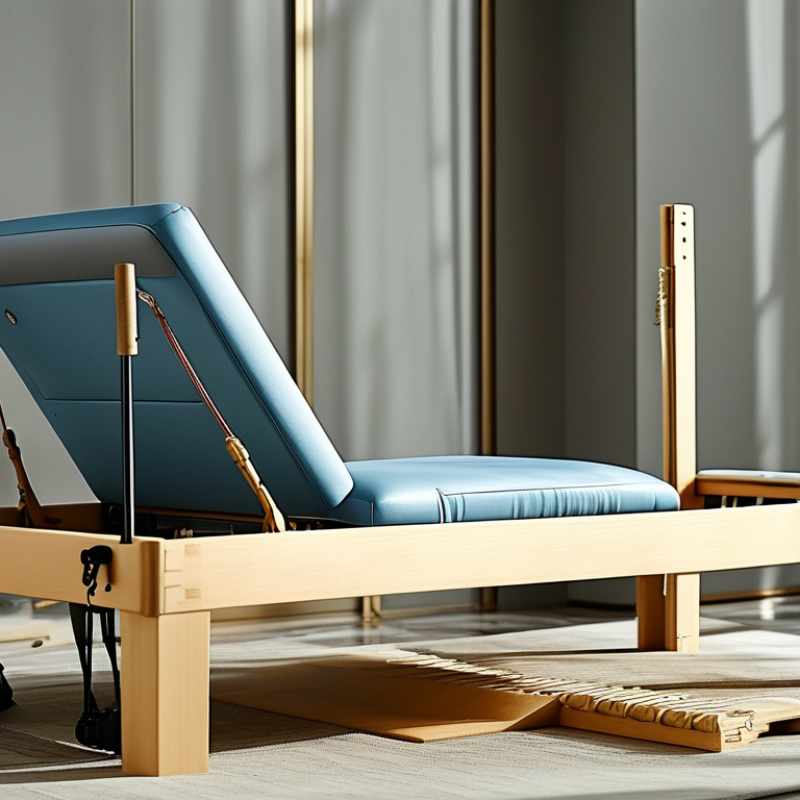
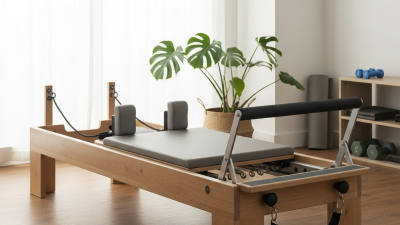
A Pilates bed, often called a reformer, is a structured exercise machine for controlled movement. It usually has a padded carriage, sliding rails, springs, ropes, pulleys, a footbar, and shoulder supports. The springs create adjustable resistance. When you push through your feet, the carriage moves along its rails. Your arms can pull the straps while your core stabilizes your body. This combination develops strength, balance, mobility, and movement awareness without relying on fast repetitions. Quiet control matters.

When choosing a Pilates bed from China, examine how it works, not only how it looks. A stable frame should remain firm during extension and lateral movement. The carriage should glide smoothly, without rattling or sudden stops. Check spring tension, rope adjustment, rail alignment, padding density, and footbar locking positions. Ask for material details, load-testing records, inspection images, and clear assembly instructions. The report should identify the exact model being tested. In a busy studio, weak upholstery or noisy rails can quickly become practical problems. It is easy to focus on a polished finish and miss small mechanical weaknesses.

Tips: Request a short operating video before purchase. Test every spring setting. Confirm replacement parts and packaging protection. Leave space for safe carriage movement. A cheaper bed may work, but only after careful verification.

What Is the Best Pilates Bed to Buy from China? - What Is a Pilates Bed and How Does It Work?

Pilates Bed Type How It Works Typical Frame Material Approx. Size Resistance System Best For Key Buying Considerations
Studio Reformer A wheeled carriage glides along rails while springs provide adjustable resistance. The footbar, shoulder rests and straps support controlled pushing and pulling movements. Powder-coated steel or aluminum frame with a padded carriage. About 230–260 cm long × 60–70 cm wide × 35–45 cm high. Usually 4–5 interchangeable springs with different tension levels. Studios, rehabilitation centers and frequent home users. Rail smoothness, spring consistency, carriage noise, upholstery quality and spare-part availability.
Folding Reformer Uses the same carriage-and-spring principle as a studio reformer, but the frame or carriage folds for storage. Steel or aluminum frame with reinforced hinges and locking parts. Open: about 220–250 cm long; folded length commonly about 110–140 cm. Commonly 3–5 springs, depending on the design. Apartments, multipurpose rooms and users who need regular storage. Folding safety locks, stability after assembly, wheel quality and storage footprint.
Aluminum Reformer The carriage moves on a rail system and resistance is adjusted with springs. Aluminum reduces frame weight while maintaining rigidity when properly engineered. Anodized or powder-coated aluminum with steel hardware. About 230–260 cm long × 60–70 cm wide. Typically 4–5 springs and an adjustable spring bar. Home users and studios that need easier repositioning. Frame rigidity, rail alignment, corrosion resistance and total shipping weight.
Wooden Reformer Provides the standard reformer movement through a rolling carriage, springs, straps and a footbar, with a wood-based structural frame. Layered hardwood or engineered wood with metal rails and fittings. About 230–260 cm long × 60–70 cm wide. Usually 4–5 springs with multiple resistance levels. Home interiors, boutique studios and users who prefer a traditional appearance. Wood moisture control, joint strength, finish quality, rail durability and packaging protection.
Reformer with Tower Combines carriage-based reformer exercises with a vertical tower, springs and a push-through or horizontal bar for additional resistance and mobility exercises. Steel, aluminum or wood frame with a metal tower. About 230–260 cm long × 60–75 cm wide; tower height commonly 190–230 cm. Carriage springs plus tower springs and straps. Advanced home training, professional studios and instructor-led programs. Tower stability, bar locking points, ceiling clearance, spring attachment strength and installation instructions.
Clinical or Rehabilitation Reformer Allows low-impact, closely controlled movement through adjustable springs, a stable carriage and adaptable support points. Heavy-duty steel or aluminum with high-density foam padding. About 230–270 cm long × 65–75 cm wide. Wide-ranging spring tensions with fine adjustment options. Physiotherapy environments and users requiring controlled progression. Load rating, accessible entry height, stable footbar, easy-clean upholstery and precise adjustments.
Compact Home Reformer Uses a shorter rail and carriage to provide core, leg, arm and flexibility exercises in a smaller room. Steel or aluminum frame with a compact padded carriage. About 180–230 cm long × 55–65 cm wide. Commonly 3–4 springs, with a smaller adjustment range than studio models. Beginners and home users with limited floor space. Available exercise range, user height compatibility, carriage travel, noise level and maximum supported load.
Buying note: Measurements and load capacities vary by configuration. Before purchasing from China, request technical drawings, tested maximum user weight, material specifications, spring ratings, packaging dimensions, assembly instructions and confirmation that replacement parts are available.

Which Pilates Bed Types Are Made in China?

China-made Pilates beds usually fall into five practical types: reformers, tower reformers, Cadillac tables, combo units, and Pilates chairs.

Reformers use a sliding carriage, springs, ropes, and a footbar. Tower reformers add vertical frames for arm and suspension exercises.
Cadillac tables offer the largest exercise range, but require more room and stronger packaging. Combo units merge a reformer with a tower or mat platform.

Chairs are compact, though they are not beds in the strict sense.


Grand View Research estimated the global Pilates equipment market at about USD 1.36 billion in 2023. Its report also projects an 11.6% compound annual growth rate from 2024 to 2030.

That growth helps explain China’s broad factory supply, especially for aluminum rails, wooden frames, stainless-steel springs, and synthetic leather upholstery.

A useful reformer should move quietly.

The carriage must stop without side movement.

Spring resistance should feel consistent across repeated sessions.

Small details matter.


I would request production samples before placing a large order. Check rail alignment, rope adjustment, stitching, foam recovery, and weld finishing.

Ask for documented load tests and quality procedures aligned with applicable EN ISO 20957 requirements. Intertek’s 2024 consumer-products guidance also highlights traceability and testing records as important purchasing controls.

A low price can hide weak springs or brittle wheels.

I once focused too much on frame appearance and overlooked noisy pulley movement. That mistake is easy to repeat.

Also verify carton dimensions, replacement-part availability, and assembly instructions before choosing a China-made Pilates bed.

What Features Define the Best Pilates Bed?

The best Pilates bed is defined by control, not decoration. A stable frame should resist twisting during slow footwork and loaded bridging. Choose reinforced steel or hardwood construction with clean, even welds. The carriage should glide quietly, without side-to-side play. Adjustable spring resistance matters because beginners and advanced users need different feedback. A firm, replaceable platform is also essential. Thin foam may feel comfortable in a showroom, then flatten after months of daily use.

The Global Wellness Institute valued the physical activity economy at about US$1.06 trillion in 2023. That growth increases demand for home and studio equipment, but it also increases quality risks. When buying from China, request measurements, material specifications, load tests, and inspection photos for the exact model. Ask whether the footbar, ropes, pulleys, and springs have replaceable parts. Generic certificates are not enough. Confirm traceable testing and clear after-sales support.

Tips: Sit on the carriage before ordering. Push it slowly. Listen for rattling. Check whether the stopper feels secure and whether the spring hooks align evenly. I once focused too much on upholstery color and overlooked rail cleaning access. That was a costly mistake. Leave space around the bed for safe movement, and compare the folded dimensions with your actual room. A lower price can be sensible, but not when hardware tolerances remain unclear.

What Is the Best Pilates Bed to Buy from China?

A high-quality Pilates bed should combine a stable frame, adequate working space, smooth carriage travel, and dimensions that support a wide range of exercises. The chart below presents practical reference ranges commonly used when evaluating commercial Pilates reformers. Actual specifications may vary by model and intended use.

How to read the chart: A longer carriage and frame provide more exercise space, while a wider frame improves stability. A moderate platform height makes mounting easier and supports comfortable studio use. Buyers should also verify frame materials, spring quality, carriage noise, weight capacity, assembly requirements, and after-sales support before placing an order.

How to Evaluate Chinese Pilates Bed Manufacturers

What Is the Best Pilates Bed to Buy from China?

A reliable Chinese Pilates bed manufacturer should prove performance, not only offer a low quote. The Global Wellness Institute’s 2024 report valued the global wellness economy at $6.3 trillion in 2023. This growth increases demand for safer, durable studio equipment. Ask for load testing, cycle testing, material specifications, and inspection records. A stable bed should move quietly, remain level, and keep its carriage secure during repeated use. Request videos showing these tests under realistic loads.

Manufacturing control matters more than polished catalog photos. The ISO Survey 2023 recorded more than 1.2 million ISO 9001 certificates worldwide, with China among the leading certificate holders. Still, a certificate alone proves little. Verify the certificate number and its current scope through the issuing body. Check whether it covers the actual factory, not a trading office.

Inspect welding points, pulley alignment, spring labeling, stitching, and surface finishing. Small details reveal process discipline.

Ask for a sample before placing a large order. Measure the frame, test every adjustment, and record noise after repeated movement. Confirm steel grade, foam density, wood moisture, packaging strength, spare-part access, and warranty response times. A manufacturer that answers clearly usually documents production clearly. I would not ignore communication delays, even when the price looks attractive. That was a costly assumption in one evaluation. Product quality can vary between batches, so approve a written pre-shipment checklist and retain independent inspection rights.

What to Check Before Buying a Pilates Bed from China

What Is the Best Pilates Bed to Buy from China?

What to Check Before Buying a Pilates Bed from China

A Pilates bed should feel stable before it feels attractive. Check the frame material, welds, and corner joints closely. A strong frame should not twist when an adult applies pressure. Ask for exact dimensions, maximum user weight, and bed height in writing. Do not rely only on product photographs. They can hide uneven flooring, weak hardware, or thin padding.

Test the carriage movement with a slow, controlled pull. It should travel smoothly without scraping or sudden stops. Inspect the springs, ropes, straps, pulleys, shoulder rests, and foot bar. Request close-up videos of every moving part. Confirm spring resistance and replacement availability. A missing spare part can stop a studio session for weeks. Check the upholstery density, stitching, cleaning method, and resistance to repeated use. Comfort is not enough. The surface must also support consistent body positioning.

Before payment, request a sample inspection or an independent factory check. Review production drawings, packing photographs, and the final quality report. Measure the packed bed, not just the assembled bed, because shipping costs can change sharply. Strong export packaging matters; crushed corners are common when protection is weak. Confirm manuals, assembly tools, warranty terms, and response times. I would not treat a polished factory video as proof. It is only one piece of evidence. Even careful buyers can miss small alignment problems. A final inspection before shipment is still worth the extra cost.