Leave Your Message

10 Best Pilates Beds for Home and Studio Use?

Pilates Beds are no longer limited to boutique studios. They now appear in spare bedrooms, compact wellness rooms, and professional training facilities. ClassPass’s 2023 Fitness Trends Report identified Pilates as the most-booked workout globally for the third consecutive year. That demand reflects a broader shift toward controlled, low-impact exercise at home. However, popularity does not guarantee quality.

The Global Wellness Institute’s 2024 Global Wellness Economy Monitor valued the worldwide wellness economy at approximately $6.3 trillion in 2023. This growth helps explain the expanding range of Pilates equipment, from foldable home models to commercial reformer beds with adjustable springs and tower attachments. Yet equipment descriptions can be confusing. A polished frame may still wobble during footwork. A lower price may hide limited weight capacity, noisy wheels, or poor upholstery.

This guide examines 10 Best Pilates Beds for Home and Studio Use? Each option is assessed through practical details, including frame stability, carriage movement, spring resistance, padding, storage needs, and user height compatibility. Studio owners should also consider cleaning routines, replacement parts, warranty coverage, and daily workload. Home users need honest measurements. A bed that fits a product photo may overwhelm a narrow room.

Real experience matters here. We recommend checking assembly instructions, measuring doorways, and testing the carriage before committing. No model is perfect. The best choice depends on space, training goals, budget, and maintenance expectations. Industry reports show strong demand, but careful comparison remains essential for safe and satisfying Pilates practice.

10 Best Pilates Beds for Home and Studio Use?

What Is a Pilates Bed and How Does It Work?

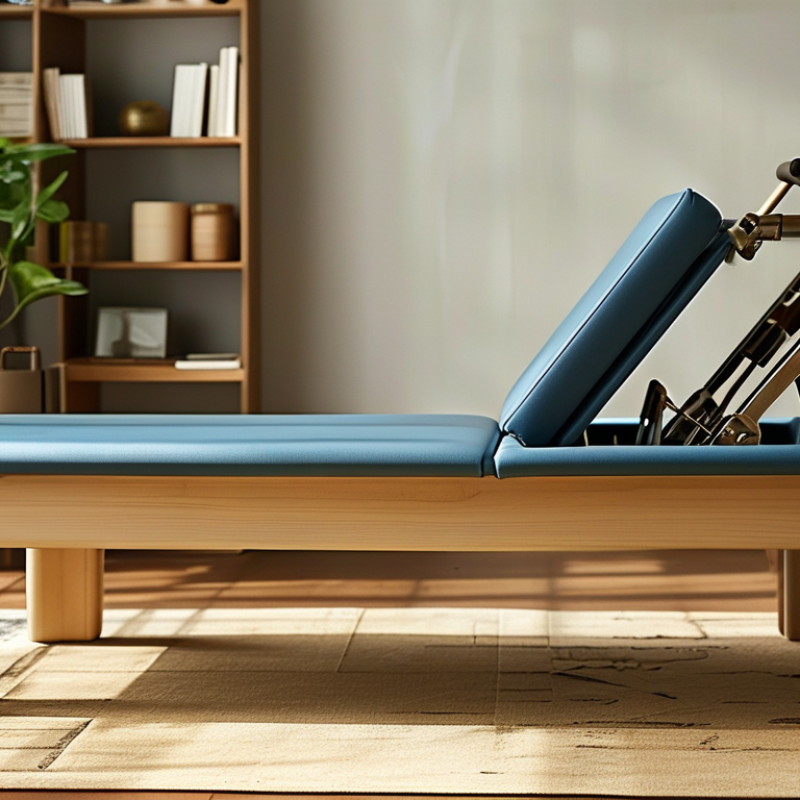
A Pilates bed usually refers to a reformer-style apparatus used for controlled exercise.

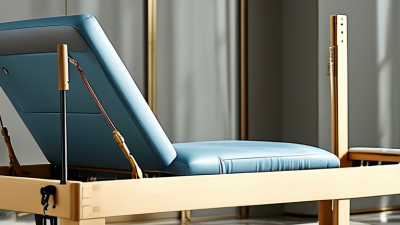
It has a padded carriage, a fixed frame, shoulder rests, a footbar, and adjustable springs. The carriage rolls along rails. Springs connect it to the frame and create resistance. Straps or ropes guide the hands and feet during movement. That is the mechanism.

When you press through the footbar, your legs move the carriage while the springs resist the motion.

The resistance can challenge strength, balance, or mobility. A qualified instructor can adjust spring tension, body position, and movement range for different abilities.

In home practice, smooth control matters more than speed. I have noticed that beginners often push too hard at first. It feels productive, but it can reduce precision.

Alignment matters. Keep your spine neutral, your knees tracking carefully, and your breathing steady.

Stop if you feel sharp pain, numbness, or unusual joint pressure.

For home use, measure the available floor space before choosing a Pilates bed.

Allow room to mount, dismount, and extend the straps safely. A stable frame, quiet carriage, secure footbar, and clearly marked spring settings are practical features.

Studio equipment may include a higher frame and more adjustment options. A lower bed can feel less intimidating at home. More equipment is not always better.

Beginners should learn basic carriage control with professional guidance, especially after injury or during pregnancy.

My own preference is a simple setup that encourages regular practice rather than a complicated bed that remains unused.

Key Features to Compare in Pilates Beds

10 Best Pilates Beds for Home and Studio Use?

When comparing the 10 best Pilates beds, begin with frame stability and carriage movement. A steel or hardwood frame should remain quiet during controlled exercises. The carriage should glide smoothly without side-to-side looseness. Small movement matters. Test the bed with slow footwork and heavier resistance before buying. I once assumed a heavier frame was always better, but that judgment was too simple. Weight helps stability, yet poor wheel alignment can still create an uneven ride.

Spring resistance deserves careful attention. Look for several spring strengths, clear attachment points, and secure storage positions. A reliable footbar should adjust without forcing the user into awkward angles. Check rope length, handle comfort, and pulley smoothness as well. These details affect shoulder position, hip alignment, and teaching precision. Beds with a narrow carriage may suit small rooms, but taller users can feel restricted. Measure the full operating space, not just the folded dimensions.

For home use, examine upholstery, cleaning access, noise, and storage features. Dense padding can support the spine, but excessive softness may reduce control. Studio buyers should verify the stated weight capacity, replacement-part availability, and assembly requirements. A qualified instructor can assess whether the bed supports safe alignment across different body types. Certifications and documented testing add useful evidence, though they do not replace hands-on inspection. Try several resistance settings in person when possible. Photos rarely reveal a stiff pulley or an uncomfortable shoulder rest.

10 Best Pilates Beds for Home and Studio Use

Choosing the 10 best Pilates beds for home and studio use requires more than checking appearance. A strong bed should offer a smooth carriage, stable frame, adjustable resistance, and enough space for controlled movement. For home users, compact folding designs can save valuable floor space. Studio owners may prefer heavier frames, replaceable upholstery, and quieter rolling systems. The ten most practical choices usually include beds for small rooms, beginners, taller users, frequent training, rehabilitation, group classes, budget setups, advanced exercises, shared spaces, and professional studios.

During evaluation, I check whether the carriage stays level during slow footwork and whether the springs change smoothly without sudden pulling. A padded surface should support the spine without feeling soft or unstable. Wide shoulder rests and secure straps also improve confidence during stretching and balance exercises. Safety matters. The frame should sit firmly on the floor, and moving parts should be inspected regularly. A certified Pilates instructor can help match resistance to a user’s ability.

My first ranking focused too heavily on size. That was a mistake. A large bed is not automatically better if the room restricts movement. I now consider noise, storage, maintenance, and daily comfort equally. No bed is perfect. Some compact models sacrifice padding, while professional designs can feel excessive at home. Measure the room carefully, leave space around the bed, and test several resistance levels before making a final choice.

How to Choose the Right Pilates Bed for Your Space

Choosing the right Pilates bed begins with your available space, not the equipment’s appearance. Measure the floor area, ceiling height, and walking clearance around the bed. A compact room may need a foldable design, while a studio benefits from wider access and stronger storage options. Leave enough room to extend your arms and legs safely. Tight corners quickly become frustrating.

I once chose equipment by surface length alone. That was a mistake. Check the bed’s overall dimensions, carriage travel, spring resistance, and maximum user weight. Beginners often need adjustable resistance and clear markings. Experienced users may prefer a firmer frame and smoother carriage movement. Test the footbar, straps, headrest, and shoulder supports before buying. They should feel stable, quiet, and easy to adjust.

Construction quality matters for regular home or studio use. Look for a strong frame, secure locking parts, washable padding, and detailed maintenance instructions. Confirm that replacement parts and professional servicing are available in your region. A safety certificate or documented testing can provide useful reassurance, but it should not replace hands-on inspection. Ask whether the bed remains steady during slow, controlled movements. Some attractive models feel less reliable after repeated use. Your training goals, room layout, budget, and physical comfort should guide the final decision. There is no perfect setup.

10 Best Pilates Beds for Home and Studio Use: Space Planning Guide

The chart compares typical Pilates bed configurations by recommended floor area. Estimates include the equipment footprint plus approximately 60 cm of movement clearance on all sides, helping you choose the right bed for your available space.

Compact and foldable beds are generally more suitable for home rooms, while longer studio-style beds provide more working space but require a larger dedicated area. Always confirm the exact manufacturer dimensions before purchase.

Safety, Maintenance, and Proper Pilates Bed Setup

10 Best Pilates Beds for Home and Studio Use?

A Pilates bed should feel stable before it feels challenging. Place it on a level, dry floor with clear space around every side. Check that the frame does not rock when you press each corner. The carriage, springs, ropes, and foot bar must move smoothly without sudden resistance. I once underestimated how quickly a loose strap could affect balance. That mistake taught me to inspect equipment before every session.

Proper setup protects both the user and the equipment. Adjust the shoulder rests so they support your position without forcing your neck forward. Choose spring resistance according to experience, body control, and the exercise being performed. Beginners should work with a qualified Pilates instructor when learning unfamiliar movements. Keep children, pets, and unstable furniture away from the training area. A mirror can help, but it cannot replace professional feedback.

Tips: Wipe the bed after each use, especially around hand grips and the carriage. Inspect stitching, bolts, wheels, and spring hooks weekly. Replace damaged parts instead of improvising repairs. Keep a simple maintenance log for studio equipment. At home, measure the room twice before buying; I have learned that “enough space” often looks larger on paper. Stop immediately if you hear grinding, feel uneven tension, or notice cracked padding. Safety is not a perfect routine, but a habit that improves through honest checks.

10 Best Pilates Beds for Home and Studio Use? - Safety, Maintenance, and Proper Pilates Bed Setup

Pilates Bed Type Best For Typical Footprint Recommended User Height Typical Load Rating Key Safety Features Maintenance Routine Proper Setup Requirements Overall Use Rating
Compact Folding Reformer Small apartments and occasional home workouts Approximately 240–260 cm long × 60–70 cm wide when open Generally suitable for users around 150–185 cm; check carriage travel before purchase Commonly 110–136 kg, depending on construction and adjustment Lockable carriage, secure folding hinges, non-slip footbar, stable feet, and fully attached spring clips Wipe upholstery after use; inspect hinges and clips weekly; clean rails with a dry, soft cloth Place on a level floor with clearance at both ends; lock the frame before folding or storing ★★★★☆
Space-saving
Standard Home Reformer Regular home practice and beginner-to-intermediate training Approximately 235–250 cm long × 65–75 cm wide Usually accommodates approximately 155–190 cm with adjustable shoulder rests and footbar Often rated around 136–150 kg Adjustable footbar, shoulder-rest stops, padded headrest, carriage stopper, and color-coded spring tension Clean all contact surfaces after use; check ropes, straps, wheels, and springs at least monthly Allow at least 60 cm of side clearance and 90 cm of working clearance at each end ★★★★★
Best all-round home option
Elevated Studio Reformer Frequent home use, teaching, and users who prefer easier access Approximately 240–260 cm long × 70–80 cm wide; elevated frame commonly 40–65 cm high Suitable for a broad range of heights when the footbar and shoulder rests are adjustable Commonly 136–150 kg or more; confirm the exact structural rating Wide base, anti-tip feet, secure footbar locking system, stable platform, and high-visibility spring positions Inspect frame joints and feet monthly; keep the carriage track free of dust; lubricate only as directed Use on a rigid, level surface; never place the frame on loose rugs or uneven flooring ★★★★★
Best for accessibility
Wood-Frame Reformer Home studios and users seeking a quiet, furniture-style design Approximately 235–255 cm long × 65–75 cm wide Typically suitable for approximately 155–190 cm, subject to carriage length Commonly around 136–150 kg Rigid frame, non-slip feet, secure spring attachment points, padded carriage, and locking footbar Use a lightly damp cloth on sealed wood; avoid excess water; inspect wood joints and hardware every month Keep away from radiators and persistent humidity; assemble on a flat surface and re-tighten hardware after initial use ★★★★☆
Quiet and decorative
Aluminum-Frame Reformer Studios needing a durable, lighter, and easy-to-clean frame Approximately 235–260 cm long × 65–80 cm wide Broad height range when the carriage and footbar have sufficient adjustment Often rated around 136–150 kg Rigid corrosion-resistant frame, stable feet, smooth carriage wheels, adjustable footbar, and secure springs Wipe frame and upholstery after classes; remove dust from rails; inspect wheel bearings and fasteners regularly Level all feet before use; leave enough room for standing work and moving around the frame ★★★★★
Best for high-use environments
Half-Trapeze Pilates Bed Intermediate users practicing extension, support, and suspension exercises Approximately 220–250 cm long × 65–80 cm wide; overhead frame adds height Broad range, provided the bar height and spring attachment points can be adjusted safely Bed rating commonly 136–150 kg; overhead components require separate manufacturer limits Fixed or reinforced tower, locking pins, padded platform, correctly rated springs, and secure straps Check tower bolts, springs, straps, and connection points before every session; inspect padding weekly Install only on a level floor with adequate ceiling height; maintain clear space around the tower ★★★★★
Best for advanced versatility
Full-Trapeze Pilates Bed Professional studios and comprehensive apparatus-based training Approximately 220–250 cm long × 70–85 cm wide; ceiling clearance commonly needs 250 cm or more Suitable for most adults when spring length, bar height, and strap positions are properly adjusted Platform ratings commonly 136–150 kg; each suspended accessory must have its own rating Strong frame, secured trapeze bars, locking pins, rated springs, padded surface, and clear adjustment markers Inspect every spring, strap, chain, bar, and pin before use; replace worn elastic or damaged hardware immediately Professional assembly is advisable; anchor or stabilize the frame as specified and keep a large unobstructed zone ★★★★★
Best for studio programming
Reformer with Jump Board Low-impact cardio, athletic conditioning, and varied studio sessions Approximately 240–260 cm long × 65–80 cm wide; additional front clearance is required Most adult users when the board position and carriage travel are correctly adjusted Commonly around 136–150 kg, including dynamic-use limitations specified by the maker Board locking pins, stable footbar, non-slip board surface, controlled spring resistance, and carriage stopper Check board pins and frame connection before every use; clean the board and inspect upholstery regularly Use only on a level surface; keep the head and sides clear and begin with low resistance for new users ★★★★☆
Best for dynamic workouts
Reformer with Tower Attachment Home users and studios wanting reformer and tower exercises in one unit Approximately 240–270 cm long × 70–85 cm wide; overhead height varies by tower design Broad range when shoulder rests, footbar, and spring attachment points are adjustable Platform commonly 136–150 kg; tower accessories may have different limits Secure tower connections, locking carriage, rated springs, adjustable footbar, and clearly marked attachment points Inspect tower fasteners, springs, ropes, and clips before each session; clean rails and upholstery routinely Confirm ceiling clearance and tower stability; leave side and overhead space for arm and leg movements ★★★★★
Best multipurpose choice
Clinical-Style Rehabilitation Reformer Controlled mobility work, postural training, and supervised rehabilitation Approximately 235–260 cm long × 70–85 cm wide; some models are elevated for easier transfers Designed for varied users; prioritize adjustable footbar, headrest, shoulder rests, and spring resistance Commonly around 136–150 kg, but therapeutic use requires checking the exact rating Stable elevated frame, low-resistance springs, accessible adjustments, padded surfaces, and secure handholds Disinfect high-touch areas according to the upholstery instructions; inspect all adjustment points before each session Set up under qualified supervision when needed; keep transfer space clear and use the lowest safe resistance initially ★★★★★
Best for supervised use

Safety note: Dimensions, load ratings, spring resistance, and clearance requirements vary by construction and configuration. Always follow the specific equipment manual, inspect the apparatus before use, and stop using any spring, strap, rope, wheel, or fastener showing damage or excessive wear.