
Leave Your Message

How to Choose Pilates Equipment in 2026?

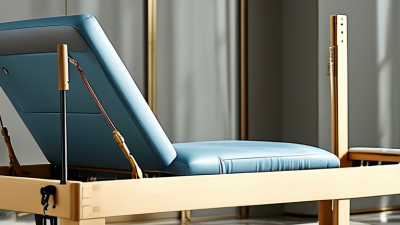
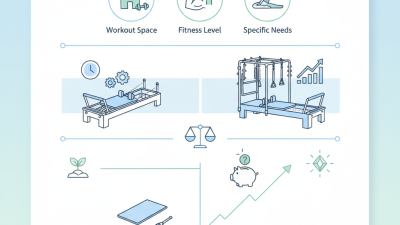
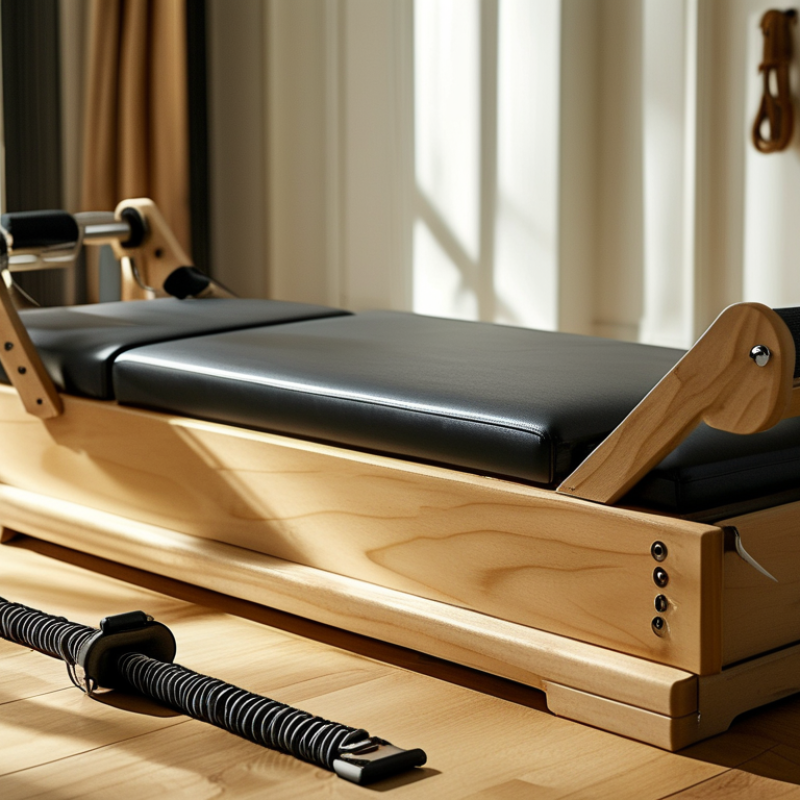
Choosing Pilates Equipment in 2026 requires more than comparing prices or copying a studio setup. Your body, space, training goals, and maintenance habits should guide the decision. A reformer may support controlled resistance, while a stability chair can build strength in a smaller room. A Pilates ring adds challenge without demanding much storage. The best choice is rarely the most expensive one.

Joseph Pilates wrote, “You are only as young as your spine is flexible.” This principle still matters when selecting equipment. Look for smooth movement, stable frames, adjustable resistance, and comfortable padding. Examine the carriage, springs, straps, footbar, and locking points. A machine that wobbles on a wooden floor is not a smart investment. Neither is a compact model that limits your range of motion.

Professional instructors often recommend testing equipment before purchase. Try several movements, including footwork, long stretch, and seated work. Notice whether your shoulders stay relaxed and your spine remains supported. Check the manufacturer’s warranty, replacement parts, safety guidance, and user reviews. These details reveal more than polished product photographs.

There is no perfect setup.

A beginner may need fewer features than expected. An experienced practitioner may still choose a simpler design. I would also question dramatic claims about “professional-grade” performance. Certification can help, but it does not replace careful testing. This guide explores how to choose Pilates Equipment with practical evidence, realistic expectations, and enough flexibility to change your mind.

How to Choose Pilates Equipment in 2026?

Define Goals with WHO’s 150–300 Minutes of Weekly Moderate Activity

How to Choose Pilates Equipment in 2026?

Define Goals with WHO’s 150–300 Minutes of Weekly Moderate Activity

Choosing Pilates equipment should begin with your movement goals, not the appearance of a studio. The World Health Organization recommends 150–300 minutes of moderate aerobic activity each week for most adults. Pilates can improve core control, mobility, balance, and muscular endurance, but it may not provide enough aerobic activity alone. A mat, resistance band, or Pilates ring can support short home sessions. Keep it practical.

I recommend dividing the week into manageable blocks. For example, complete three 30-minute Pilates sessions, then add brisk walking on several days. During moderate activity, you should breathe faster but still speak in short sentences. This simple talk test is useful when you lack monitoring equipment. A reformer may offer adjustable resistance, yet beginners should receive qualified instruction before increasing spring tension.

My early training plan was too ambitious. I bought several accessories and barely used half of them. That experience changed my approach. Select equipment that solves a clear problem, such as unstable balance or limited hip mobility. Record session length, perceived effort, and recovery afterward. If your joints hurt, your breathing feels unusual, or fatigue continues, reduce the workload and seek professional medical advice. Equipment supports consistency; it cannot replace appropriate assessment.

Match Reformer, Cadillac, Chair, or Barrel to Your Training Needs

How to Choose Pilates Equipment in 2026?

Choosing Pilates equipment in 2026 starts with movement goals, not room aesthetics. Think movement first. The reformer suits users who want progressive resistance, adjustable springs, and measurable control. It supports footwork, lunges, rowing patterns, and full-body coordination. A beginner can learn alignment gradually, while an experienced user can increase challenge without adding heavy loads.

The 2024 Global Wellness Economy Monitor valued the physical activity economy at 1.1 trillion dollars in 2022. Demand is growing, but popularity does not guarantee the right equipment.

The Cadillac is better for supported mobility, assisted stretching, and advanced spring work. It needs more space and careful instruction.

The chair offers compact, demanding unilateral exercises, especially for balance and hip control. It can expose weaknesses quickly.

The barrel focuses on spinal mobility, breathing, and thoracic extension, but it cannot replace resistance equipment. A practical assessment should consider training age, joint history, available space, and supervision.

A knee-sensitive client may need a reformer setup with controlled spring tension, not a harder chair session. Not the trend.

The American College of Sports Medicine’s 2025 Worldwide Survey of Fitness Trends ranked traditional strength training fifth globally. That supports combining Pilates control with broader strength planning. Still, reports track participation, not individual outcomes.

A common mistake is choosing the largest apparatus first. I would question that choice. If sessions happen in a small room, a chair may receive more consistent use than an impressive Cadillac.

Professional instruction remains essential, especially when clients experience pain, instability, or limited mobility.

Measure Room Size Against Manufacturer Dimensions and Movement Clearance

How to Choose Pilates Equipment in 2026?

Measure the usable floor, not the empty room. A wall-to-wall measurement can mislead you. Door swings, radiators, windows, and storage also consume valuable space. Record the room’s length, width, and ceiling height in centimeters. Sketch these measurements before comparing equipment.

Read the manufacturer’s assembled dimensions carefully. Some measurements exclude removable bars, raised platforms, or moving carriages. Mark the equipment footprint with painter’s tape. Then add the recommended movement clearance on every active side. Leave enough room to step around the frame, extend your arms, and change positions safely. A narrow passage may look acceptable on paper. It can feel restrictive during actual training.

Test the layout with simple movements. Lie down, kneel, sit sideways, and reach overhead inside the marked area. Ask another person to walk past while you move. This exposes problems that a spreadsheet misses. Keep clear access to doors and emergency routes. Check whether the ceiling allows safe use of vertical attachments. Experienced instructors often measure the room twice, because the first plan is rarely perfect. I once underestimated space for a storage trolley, and it interrupted every session. That mistake was avoidable.

Leave room for future adjustments. Users may need wider movement zones, especially during rehabilitation or group instruction. If the equipment fits only when everything is perfectly aligned, the room is probably too small. Manufacturer guidance should guide the plan, but real movement should confirm it.

How to Choose Pilates Equipment in 2026?

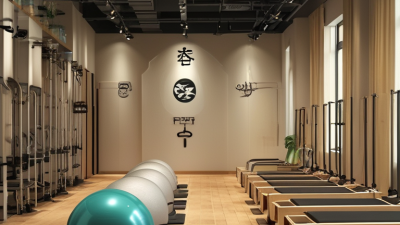
Measure room size against the equipment footprint and the movement clearance required for safe use.

Planning-space estimates use typical equipment footprints and allow approximately 0.6 m of movement clearance on each side. Longer equipment also includes about 0.9 m of clearance at each end. Confirm the exact dimensions and manufacturer clearance requirements before purchasing.

Verify Stability and Safety Under ISO 20957-1 Fitness Equipment Guidance

How to Choose Pilates Equipment in 2026?

Verify Stability and Safety Under ISO 20957-1 Fitness Equipment Guidance

When choosing Pilates equipment, treat ISO 20957-1 as a safety reference, not a decorative certificate. The standard addresses general requirements for stationary training equipment, including stability, strength, moving parts, and user information. Confirm the equipment’s intended use and user weight limits. Do not guess.

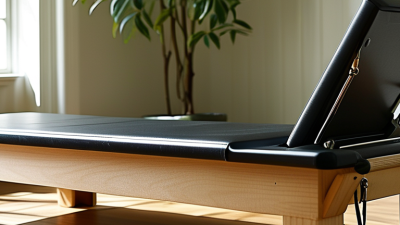
Test stability on a level floor. Push the frame gently from several directions. It should not rock, slide, or produce sharp clicking sounds. Inspect welds, rails, springs, straps, and adjustment pins. Look for smooth movement and secure locking points. Keep fingers away from pinch areas during every adjustment.

Ask the supplier for current test documentation and clear maintenance instructions. Check whether the product was assessed against the relevant edition of ISO 20957-1, because standards and product configurations can change. Also verify local safety requirements before purchase. A standard reference does not guarantee safe installation or careless use.

I once focused too much on upholstery quality and overlooked a loose foot bar. That mistake changed my inspection routine. Comfort matters, but structural reliability matters more. Try several body positions, listen for unusual movement, and read the warnings before committing. A small flaw may become serious after repeated daily use.
Compare Springs, Load Ratings, Warranties, and Parts in Published Specs

How to Choose Pilates Equipment in 2026?

Published specifications deserve more attention than polished showroom photos. Springs should list material, length, resistance range, and tested cycle life. Color codes are not universal. A “heavy” spring may feel different across manufacturers. Check the load rating for the carriage, straps, bar, and frame separately. One number can hide a weak component.

The International Health, Racquet & Sportsclub Association reported about 184 million fitness club members worldwide in its 2024 Global Report. More shared equipment means faster wear on wheels, ropes, and upholstery. Look for warranty periods by component, not one broad headline. Ask whether springs, shoulder rests, pulleys, and foot straps remain available after purchase. A five-year frame warranty means little if a replacement wheel takes three months. Industry reports show strong fitness participation, but published testing details remain uneven. That should make buyers cautious.

Tips: Photograph every specification page before ordering. Measure the room, then check the manufacturer’s minimum clearance. Choose stainless hardware near humid studios. Request the spring testing method in writing. If the seller cannot explain it, pause. My own review habit is imperfect: I sometimes overvalue load ratings and underestimate maintenance access. A quiet carriage can still conceal worn bearings. Check both. Also inspect the warranty exclusions. Commercial use may shorten coverage, even when the product looks identical to home equipment.